

Imagine Major League Baseball investing in the future, not just the team. The Rangers Youth Academy at Mercy Street Sports Complex, backed by Toyota, opened in December 2017. It had a bold idea: what if elite training wasn’t just for kids from the right zip code?
This isn’t your average MLB youth development spot. It’s not about legacy; it’s about skills. Kids get year-round professional baseball instruction. They learn more than just baseball. They get tutoring, college prep, financial literacy, and even how to explore MLB careers.
Who gets in? Young athletes in North Texas with big dreams. The facility offers tournaments, clinics, and camps. It’s all about making baseball accessible, not just for the wealthy.
The goal is to give talented kids the resources they need, no matter their background. It’s happening in Arlington, changing how we see athletic development in underprivileged areas.
Instruction blocks throwing pitching hitting catching performance and classroom
The Academy’s instruction is like a master class, divided into chapters for each baseball skill. It focuses on MLB youth development with precision. Each block targets a specific skill, ensuring no skill is overlooked.
The throwing mechanics block is the base. It teaches all players the right arm action, footwork, and release. It’s about being efficient and lasting, not just fast.
Pitching instruction goes beyond just throwing strikes. The Academy teaches about pitch sequencing, grip, and reading hitters. Young pitchers learn that accuracy is more important than speed.
The hitting block dives deep into hitting mechanics. It focuses on launch angles, exit velocity, and swing paths. Each hitter gets feedback tailored to their build and natural swing.
Catching instruction turns catchers into leaders. They learn about pitch framing, blocking, and managing the pitching staff. It’s like playing chess with a mask on.
This program stands out because it integrates everything. Performance training is not just about physical skills. It’s about understanding each player’s needs at their age.
The classroom is real, not just a metaphor. Young players study film, analyze charts, and learn the mental game. They study baseball like professionals study scouting reports.
Year-round instruction means each skill is taught at the right time. Skills camps focus on specific areas each session. One week might be on outfield reads, the next on situational hitting.
The tournaments are like real-world labs. They’re not just for fun. They test skills under pressure, where performance training meets game-day reality.
The Academy’s blocks recognize that development isn’t linear. Some need more time on hitting, others on pitch recognition. This approach allows for customization while meeting MLB youth development standards.
Free clinics camps showcases girls baseball and RBI programs
What makes youth development real is who shows up when things are free. The Texas Rangers Youth Academy welcomes everyone, no questions asked. It’s not just a marketing trick; it’s a belief in equal access to top-notch training.
Most places call themselves community programs but charge too much. This keeps out many kids. The Academy’s free clinics break this barrier. It shows that talent isn’t tied to how much money you have.
These community baseball programs are the real deal, not just ways to make money. They show what an organization truly believes in. When free programs are just a way to sell more, kids can tell.
The Academy runs camps all year, with the same quality for everyone. Coaches teach the same skills in free and paid sessions. This shows that everyone’s worth is valued equally.
The girls baseball programs are special because they support girls who want to play baseball. It’s not just softball. The Academy supports girls who choose baseball, showing that every choice matters.
The RBI programs are part of Major League Baseball’s effort to be fair. They’re not just extras. They show that fairness is at the heart of what the Academy does.
On MLK Day 2023, the Texas Rangers Baseball Foundation helped out in big ways. They gave food to 200 families before teaching baseball. This shows they care about more than just sports.
After helping out, 50 Youth Academy athletes got to meet professional players. The Players Alliance helps Black talent in baseball. This partnership shows real commitment to fairness.
This partnership is real, not just for show. When organizations truly care about fairness, they show it. Helping on MLK Day shows they understand that basic needs come first.
| Program Type | Access Model | Target Population | Annual Reach |
|---|---|---|---|
| Free Clinics | No-cost instruction | All skill levels | 500+ participants |
| Girls Baseball | Gender-inclusive teams | Female athletes choosing baseball | 120+ players |
| RBI Programs | Inner city focus | Underserved communities | 300+ youth annually |
| Youth Showcases | Talent visibility events | High school prospects | 200+ showcase athletes |
The youth showcases help talented kids get noticed. Without these events, many would go unseen by scouts. It’s a chance for kids from all backgrounds to shine.
Showcases bring scouts to kids, not the other way around. This is how talent gets a fair shot. When kids are good but unseen, their talent is lost.
The real question is: Are you helping kids who can already afford things, or those who can’t? The Academy’s programs show they’re for everyone, not just the privileged.
When organizations talk about access but don’t make it real, they’re just pretending. The Texas Rangers Youth Academy is different. It believes in finding talent everywhere and building paths for it.
Coaching staff credentials pro alumni guest appearances and mentor model
Playing professional baseball is different from just knowing about it. The Rangers Youth Academy knows this. They don’t just hire anyone to teach kids. They choose coaches who have actually played the game.
Coaches at the Rangers Youth Academy have faced fastballs and battled in big games. When players like Marcus Semien help out, they teach real skills. These aren’t just autograph sessions; they’re lessons from the pros.
Players like Taylor Hearn and Tony Beasley also help out. They’re not just retired stars. They’re current Rangers staff who care about teaching young athletes.
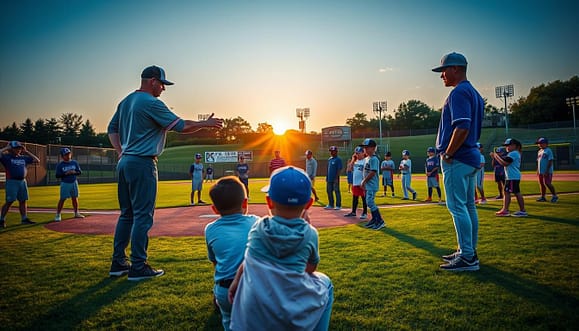
The Equip The Future program adds more talent to the Rangers Youth Academy. Players like Jackie Bradley Jr. and Willie Calhoun join the team. They bring their knowledge of the game to the next generation.
Coaches like Shawn Chacon and Torii Hunter have a lot to share. They’ve played in the big leagues and know what it takes. Their experience spans decades.
These coaches don’t just teach swings and pitches. They talk about getting ready for games and staying tough mentally. They share their real-life experiences.
Seeing what’s possible is key for young athletes. The Rangers Youth Academy offers that. Coaches like Christin Stewart and Jason Bourgeois teach from their own experiences. This makes their coaching stand out.
When AJ Andrews talks to young women about being a trailblazer, it’s real. So is Torii Hunter’s advice on perseverance. The Rangers Youth Academy knows that baseball is more than just a game.
What makes a coach great isn’t just a piece of paper. It’s years of playing, learning, and growing. The Rangers Youth Academy values that. They offer something special: real stories from the game.
The Equip The Future program gives young players a chance to learn from the best. It’s not just about teaching skills. It’s about showing them what it takes to succeed.
The gap between professional baseball and youth coaching isn’t as big as it seems. Great players can teach others. The Rangers Youth Academy shows this every day.
Technology use Rapsodo HitTrax video feedback player web profiles
Technology has changed youth baseball, and it’s overdue. At the Texas Rangers Youth Academy, we use modern tech to train kids like they’re heading to the pros. We’re serious about preparing them for the big leagues.
Step into our facility and you’ll see Rapsodo baseball units everywhere. These aren’t just decorations. They track spin rates, release points, and movement with accuracy that was once science fiction.
Every fastball and curveball tells a story in numbers.
The HitTrax system turns our batting cages into data centers. It measures exit velocity, launch angle, and more in real-time. Kids see right away if their swings are actually good.
Our video analysis shows swings and deliveries from all angles. Coaches can point out mechanical issues clearly, comparing players to pros.
Seeing is believing. A kid might not get “rotate your hips earlier.” But they’ll understand when they see their swing compared to a pro’s.
Our player web profiles track progress over time. They show velocity gains, exit velocity improvements, and more. These profiles are like a resume and a progress report all in one.
For college scouts, these profiles offer clear evidence. For players, they prove their hard work pays off. Our player pathway evaluation uses this data to set goals.
| Training Element | Traditional Approach | Technology-Enhanced Method | Player Benefit |
|---|---|---|---|
| Pitching Mechanics | Coach observation and feel | Rapsodo spin rate and release tracking | Quantified improvement with specific targets |
| Hitting Development | Batting practice repetition | HitTrax exit velocity and launch angle data | Immediate feedback on swing quality |
| Mechanical Adjustments | Verbal cues and drills | Multi-angle video analysis with pro comparisons | Visual understanding of corrections needed |
| Progress Tracking | Seasonal observations | Web profiles with longitudinal metrics | Documented evidence for recruiting and motivation |
Does a thirteen-year-old need to know their weighted on-base average? Maybe not. But they should see their hard work paying off in numbers.
MLB youth development now means “trust the process” with data. Improvement is measured and recorded. A young pitcher can see their velocity rise from 68 to 74 mph over eighteen months.
This is baseball’s data-driven era. Exit velocity and launch angle are as important as effort. It’s normal to talk about these stats in middle school.
Technology enhances coaching, not replaces it. Data needs context to be useful. But when coaches use tech and experience together, they create accelerated development grounded in evidence.
We’re not just using gadgets. We’re using tools to answer real questions. Are you getting better? How much? What should you work on next?
Technology gives clear answers that motivation alone can’t. It shows progress in a way that encouragement can’t.
Education and life skills tutoring nutrition mental skills financial literacy
Most young baseball players won’t make it to the pros. That’s why student-athlete development goes beyond just playing. The Academy prepares kids for success, no matter their future in sports.
Most baseball careers end before they start. Programs focused only on sports can lead to disappointment. The Texas Rangers Youth Academy offers education and life skills to treat young athletes as whole people.
Tutoring programs help with homework, keeping students on track. Falling behind academically can narrow opportunities. The Academy provides tutoring to prevent this.
College prep classes focus on real college prep, not just baseball. Admissions committees look at GPAs and test scores. The baseball education programs include college and career fairs to show students other paths.
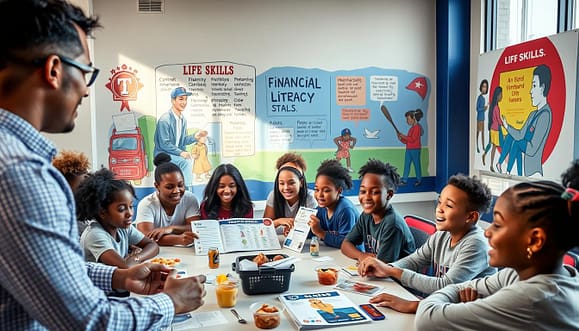
Athlete nutrition education teaches more than just eating right. It covers how to fuel performance and recover. This knowledge helps students in college or the workplace.
Mental skills training helps with anxiety, focus, and resilience. Sports psychology is for everyone, not just pros. Young athletes face mental challenges that affect their performance.
The youth financial literacy programs are truly forward-thinking. They teach about money, credit, and contracts. This education prepares young athletes for real-world financial challenges.
Internship programs and MLB career workshops show there’s more to baseball than playing. They introduce kids to careers in scouting, analytics, and more. These baseball education programs broaden horizons.
Families can find more support through educational and community resources. The Academy’s programs offer a holistic approach to development. They support young athletes in many areas of their lives.
It’s student-athlete development that values the whole person. The youth financial literacy component prepares students for life’s economic realities. The Academy’s programs offer opportunities beyond baseball.
| Program Component | Focus Areas | Long-Term Benefits | Target Age Groups |
|---|---|---|---|
| Academic Tutoring | Homework help, test prep, study skills development | College eligibility, scholarship opportunities, academic confidence | Ages 8-18 |
| Nutrition Education | Performance fueling, recovery strategies, healthy habit formation | Lifelong health awareness, injury prevention, energy management | Ages 10-18 |
| Mental Skills | Anxiety management, focus techniques, resilience building | Stress management, performance under pressure, emotional intelligence | Ages 12-18 |
| Financial Literacy | Money management, credit understanding, contract basics, predator recognition | Financial independence, informed decision-making, economic security | Ages 14-18 |
| Career Workshops | MLB industry roles, internship opportunities, alternative baseball careers | Career diversity, professional networking, realistic goal-setting | Ages 15-18 |
The Academy’s approach turns youth baseball into a chance for broader development. By focusing on skills that last, young athletes gain value beyond sports. This isn’t lowering expectations—it’s expanding them to include all of human possibility.
Pathways showcase teams high school recruiting college advising
Talent alone won’t get your kid recruited—a harsh truth that blindsides families. The Rangers Youth Academy pathways program exists to bridge the gap between “impressive for a 15-year-old” and “college roster material.” This is where MLB youth development meets practical reality.
Showcase teams within the academy operate on a different plane than recreational squads. These aren’t participation-trophy rosters.
They’re competitive lineups designed to put talent directly in front of evaluators whose opinions actually matter. High school coaches, travel team directors, and college scouts attend these events to identify prospects worth tracking.
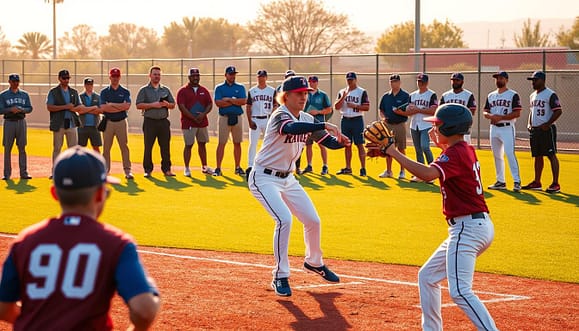
Showcases without context are just expensive auditions. I’ve seen families drain savings accounts chasing showcase invitations without understanding what recruiters actually look for. Hint: it’s rarely what parents assume matters most.
The high school baseball recruiting guidance fills this knowledge gap systematically. Advisors help families decode the byzantine world of athletic recruitment. What film clips do college coaches want to see? When should contact begin? How do academic transcripts interact with athletic profiles?
These questions have nuanced answers that shift based on division level, conference, and individual program philosophy. The Rangers Youth Academy staff has walked this path enough times to provide reliable intelligence.
College baseball advising extends well beyond scholarship negotiations. The real conversations address fundamental identity questions that determine whether the next four years become transformative or miserable. Division I versus Division III isn’t just about scholarship money—it’s about playing time philosophy, academic rigor, and developmental approach.
Athletic fit versus academic fit creates another tension point. A full ride to a baseball powerhouse sounds great until your kid sits the bench for three years while watching his GPA crater. A partial scholarship to a school where he starts as a freshman and graduates debt-free might build a better future.
What happens when baseball ends? That’s the question most families avoid until it’s too late. The college baseball advising program forces this conversation early, because even Division I athletes rarely play professionally. And the tiny percentage who do rarely play long enough to fund retirement.
| Recruitment Pathway | Focus Areas | Timeline | Key Outcomes |
|---|---|---|---|
| Showcase Team Placement | Performance evaluation, competitive exposure, scout visibility | Ages 14-18 | Recruiting attention, skill validation, network access |
| High School Recruiting Support | Communication strategy, film preparation, academic alignment | Sophomore-Senior year | College interest, official visits, offer negotiations |
| College Decision Advising | Program fit analysis, scholarship evaluation, academic considerations | Junior-Senior year | Informed commitment, realistic expectations, backup planning |
| Career Fair Access | Alternative pathways, professional skills, network building | Ages 16-18 | Broader perspective, contingency options, life skills development |
The career fairs represent something quietly radical within youth sports culture. They expose young athletes to possibilities beyond playing—coaching, sports management, analytics, media, business. This isn’t dream-crushing; it’s dream-expanding.
I’ve watched too many talented players make college decisions based on brand names or scholarship amounts without considering whether they’ll actually enjoy the experience. The logo on the jersey matters less than the coaching philosophy, team culture, and academic support system.
Baseball recruiting operates as marketplace and meritocracy simultaneously. Performance gets you noticed, but strategy gets you placed. The academy’s pathway programming provides both the stage and the script.
Families receive guidance on managing expectations realistically. Not every talented high schooler should play college baseball. Some would be happier focusing on academics at a top-tier school without athletic demands. Others might thrive in club baseball while pursuing different career paths.
The advising serves the athlete, not the academy’s placement statistics. That distinction matters more than it sounds. Some programs push kids toward any college offer just to claim recruitment success. Honest advising sometimes means recommending against playing collegiately if the fit isn’t right.
This approach to MLB youth development acknowledges an uncomfortable truth: most baseball careers end before they begin professionally. Channeling ambition toward achievable goals while keeping eyes open to alternatives isn’t pessimism—it’s responsible mentorship.
The pathways program maps territory explicitly because too many dreams die in the gap between “pretty good” and “next level.” Not from lack of talent, but from lack of direction. That’s the gap this programming closes.
Safety and compliance staff clearances first aid concussion and cardiac plans
Let’s talk about the important stuff that keeps parents up at night. The Rangers Youth Academy focuses on safety first. They know that without solid safety measures, nothing else matters.
Every program should put safety first. Sadly, most don’t.
Staff clearances are thorough. They check backgrounds through many databases. Abuse prevention training is a must for everyone.
Getting access to kids means more than knowing sports rules. It means being accountable.
First aid certification covers all injuries kids might get in sports. This includes scrapes, heat issues, and more. It’s not just about minor injuries.
Certified staff are ready to help at any moment. They’re not just there to watch.
What sets serious programs apart is their concussion protocols and cardiac emergency plans. These plans show if a program is well-managed or not.
Concussion Management That Prioritizes Brain Health
The Rangers Youth Academy follows the latest medical guidelines for concussions. They know brain health is more important than winning games.
Their concussion protocols have four key parts:
- Baseline testing sets a starting point for brain health before any injury
- Immediate removal from play if symptoms show up
- Gradual return to play based on science, not convenience
- Medical clearance needed before returning to full play
This isn’t being too careful. It’s the standard for protecting young athletes from brain injuries.
The “rub some dirt on it” days are over. Good riddance.
Cardiac Emergency Preparedness
Sudden cardiac events in young athletes are rare but devastating. The Academy’s cardiac emergency plans are ready for the worst.
Here’s what that means:
| Safety Component | Implementation Standard | Compliance Frequency |
|---|---|---|
| Automated External Defibrillators (AEDs) | On-site at all facilities, accessible within 90 seconds | Monthly equipment checks |
| CPR-Certified Staff | Minimum two certified personnel per session | Recertification every 2 years |
| Emergency Action Plans | Written protocols with assigned roles | Quarterly drills and reviews |
| Emergency Contact Systems | 911 pre-programmed, facility address posted | Verified at season start |
These plans are in place because youth sports programs take responsibility for kids. This responsibility is both legal and moral.
While safety might seem like a hassle, what the Academy offers relies on it. It’s the foundation of everything they do.
Youth sports safety isn’t just a marketing point. It’s the essential part that makes everything else right.
Safety doesn’t win games. But it ensures kids go home safe after playing.
And honestly, nothing else is as important if kids aren’t safe.
Enrollment calendar tryouts FAQs waitlists and transportation resources
Getting your kid into youth baseball can be confusing. It’s like trying to understand the balk rule in Little League. To join the Texas Rangers Youth Academy, you need to know the real process, not just be enthusiastic.
The baseball program calendar follows school schedules. This ensures training doesn’t clash with schoolwork. Fall programs start in late August, and spring sessions begin in February.
Summer camps run from June to early August. This is when kids have more free time and parents need activities that aren’t screen-based.
Academy tryouts have set times, not whenever you’re ready. For spring teams, tryouts are in March. For fall, they’re in September. Missing these means waiting months for the next chance.
At Academy tryouts, coaches look at more than just skills. They check if a player is coachable, handles pressure well, and is growing. A player who learns fast is often better than one who’s already good but not improving.
Skill is important, but so is how a player responds to feedback. Being a good teammate and handling failure are key too.
| Program Type | Tryout Window | Season Duration | Evaluation Focus |
|---|---|---|---|
| Competitive Teams | March & September | 12-16 weeks | Advanced skills & game IQ |
| Skill Development | Rolling admissions | 8-10 weeks | Fundamentals & growth mindset |
| Summer Camps | First-come registration | 1-2 weeks | Age-appropriate participation |
| Free Clinics | No tryouts required | Single-day events | Interest & enthusiasm |
The FAQ section answers common questions. How much does it really cost? Competitive teams cost more, but scholarships help families in need.
What if your kid isn’t good yet? That’s why there are instruction programs. They help develop skills through quality coaching.
Can they do this and soccer? Probably, but elite Texas youth sports often require specialization. The Academy supports multi-sport athletes but competitive teams need full commitment.
Time commitment varies by program. Recreational classes meet twice a week for 90 minutes. Competitive teams practice more and play weekend games.
Waitlists happen because there are limits to instruction. The Academy won’t compromise on coaching ratios. If a program is full, you’ll be waitlisted, and they’ll be honest about it.
Priority is given to early registration, sibling enrollment, and returning players. New families usually wait longer, rewarding loyalty and community.
Transportation assistance is important. Not everyone can drive or has flexible work hours. A good program helps with this.
The Academy works with community groups for transportation assistance in North Texas. Carpooling helps families in the same area. Some free clinics offer shuttle services from specific points.
Here’s the truth about enrollment:
- Registration opens 4-6 weeks before programs start
- Competitive team tryouts require advance registration and fees
- Skill development programs accept rolling admissions
- Financial aid applications need to be in 30 days before the program starts
- Transportation requests should be included with initial paperwork
The baseball program calendar is online with updates. It’s better to check the calendar than call the office about practice.
Email confirmation comes within 48 hours of registration. If you don’t get it, check your spam folder. Technology works most of the time, but sometimes it fails.
Understanding the enrollment process helps families succeed in Texas youth sports. The Academy provides a roadmap. Following it determines if your kid gets in or is waitlisted.
KPIs for coaches measuring growth and communicating with families
What makes MLB youth development stand out is the accountability that goes both ways. The Texas Rangers Youth Academy doesn’t just look at what kids achieve. They also check how well coaches do their job.
Coach performance metrics here focus on real progress, not just winning. Did the pitcher throw faster? Did the team hit more often? Did they make fewer mistakes in the field? These standards use tools like Rapsodo, HitTrax, and long-term data to track player growth. A coach who only wins but doesn’t improve skills is not teaching, but hoarding talent.
Family communication is key here. Parents get updates filled with real data: videos, charts, and analytics. No vague “he’s doing great” comments. They get clear reports on their child’s progress, what’s getting better, and what needs work.
Coaches are judged on how well they help players grow, not just on wins. Keeping players safe, improving skills, and meeting individual goals are all important. It’s about treating coaching as a serious profession.
When families and coaches focus on growth, not just winning, everyone knows what success means. And it’s not always about trophies.