

For Texas families, Texas Baseball Ranch fall and winter training sits in the part of the calendar where good habits can be built away from weekend tournament pressure. The goal is not just throwing harder. A useful offseason plan gives a young athlete structure: movement quality, throwing intent, recovery, command work, and a clear reason behind each drill.
How Texas Baseball Ranch Structures Offseason Work
The fall and winter window matters because players can train without trying to win three pool games in one Saturday. That space lets coaches watch how an athlete moves, how the arm recovers, and how the delivery holds up when effort increases. For Texas pitchers coming out of summer heat and long tournament weekends, that reset can be valuable.
Texas Baseball Ranch Schedule Details
As of September 28, 2026, the 2026 Fall Night Class had already started. The program began on September 2, 2026, and was scheduled to run through January 27, 2027, with classes on Mondays and Wednesdays from 6:30 to 8:00 p.m. Enrollment was capped at 30 pitchers, according to the official TBR event page. That cap matters for training flow because pitchers need room to throw, recover, receive feedback, and stay on pace.
Assess, Categorize, Customize, Prioritize
The Ranch describes its approach through four steps: assess, categorize, customize, and prioritize. In plain baseball language, that means the athlete should not be handed a random stack of drills. A pitcher with poor lead-leg control may need a different plan than a pitcher who moves well but loses command. A pitcher chasing velocity may still need recovery and arm-care work before more high-intent throws are added.
The same official page lists program areas that include velocity, command, pitch design, arm care, recovery, and strength. The Texas Baseball Ranch page also lists 702 pitchers who have broken 90 mph, 242 who have exceeded 94 mph, 34 who have thrown over 100 mph, and 149 athletes drafted into professional baseball. Those numbers are facility-reported, so families should view them as program background, not a promise for any one athlete.
Skill Priorities For Fall And Winter Pitchers
A strong offseason plan starts with the delivery, not the radar gun. Young pitchers often want the number first. Coaches should work backward: can the athlete hinge, rotate, brace, repeat direction, and finish balanced enough to compete in the strike zone? If not, more effort may only magnify the flaw.
Movement Quality Before Mound Volume
For a Texas youth pitcher, fall work should begin with a movement screen and a throwing baseline. Watch the lower half. Does the back hip load, or does the pitcher simply drift? Does the stride foot land in a stable spot, or does the athlete spin open early? Does the throwing arm climb late because the body is out of sequence?
A practical progression can start with dry reps, move to pivot-pick drills, then rocker throws, then step-behind throws, then controlled mound work. The point is to connect the body before asking for game-speed output. If the pitcher cannot repeat a drill at low intensity, he probably will not own it at high intent.
Command And Secondary Pitch Focus
Velocity gets attention, but command keeps a young pitcher on the mound. Fall and winter work should include target discipline. A simple bullpen can be split into fastball glove-side, fastball arm-side, changeup feel, and one breaking-ball shape if the player is old enough and already shows the movement quality to support it.
Pitch design should stay age-aware. A high school athlete may be ready to study pitch shape more deeply. A younger player may need simple language: stay through the catcher, finish the throw, and learn how grip changes affect ball flight. Parents do not need to chase pro-style terms if the player cannot repeat the delivery yet.
Weighted Ball Work Without Guesswork
Weighted ball work can be useful, but it should not be treated like a shortcut. The research notes supplied for this topic state that overload and underload balls are part of fall and winter training at the Ranch, paired with mechanics, arm health, command, pitch design, and recovery. That pairing is the key. Weighted balls without a plan can turn into a contest to see who can throw the hardest on a tired arm.
What The Research Supports
A 2023 study of high school pitchers reported that 63% had used weighted ball programs. In that study, pitchers who had used weighted balls reported higher average and peak pitch velocities than those who had not, and the study found no significant difference in injury history between the groups, according to the high school pitcher study. That is useful context, but it does not mean every athlete should use the same plan.
The study was cross-sectional, so it describes relationships rather than proving that one program caused every velocity gain. For coaches, the practical lesson is simple: track workload, track soreness, and do not copy a throwing plan just because another athlete gained velocity from it.
How To Keep The Work Age-Aware
For Texas Baseball Ranch families, the best weighted ball question is not, “Will this add miles per hour?” The better question is, “What is the purpose of this throw today?” Underload throws may teach speed. Overload throws may teach intent and feel. Recovery throws may restore rhythm. Each has a place only if the athlete is ready for it.
Parents should listen for clear limits: number of throws, intensity level, rest periods, and what happens if the athlete reports pain. Soreness and fatigue should be treated as information, not ignored. A player who hides discomfort to impress a coach is not building a durable offseason.
Parent And Coach Planning For Texas Families
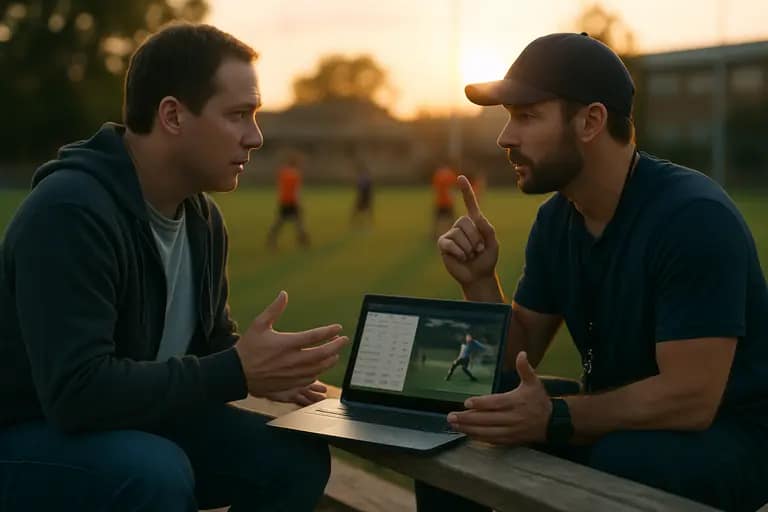
Fall and winter baseball in Texas can pull families in several directions: school ball preparation, select-team expectations, private lessons, strength work, and family schedules. A good plan keeps the athlete from stacking too much throwing on top of too little sleep and poor recovery.
Questions To Ask Before Signing Up
Before choosing any offseason program, ask how the athlete will be evaluated on day one. Ask how progress will be measured. Ask whether the plan changes if command drops, velocity stalls, or the arm does not bounce back. Ask who controls throwing volume outside the facility. These questions help parents separate a real development plan from a loose collection of hard-throwing drills.
For families comparing local preseason options, this related pitching bootcamp plan can help frame how arm care, bullpens, and weekly structure fit together for junior high and high school players.
Building A Weekly Home Routine
A home routine does not need to be fancy. It needs to be consistent. A pitcher can keep a simple log with date, throwing type, intensity, soreness level, sleep, and one mechanical cue. If the cue changes every day, the athlete may be chasing too much. If the cue stays clear for two or three weeks, the movement has a better chance to stick.
Coaches can also build short checkpoints: ten clean dry reps before throwing, five minutes of shoulder and hip prep, a set number of quality catch-play throws, and a short recovery block after work. The goal is to make the athlete responsible for his own routine, not dependent on a coach standing nearby every minute.
Why Texas Baseball Ranch Fits Fall Training
Fall training should produce a clearer pitcher by late January: better movement awareness, a cleaner warmup, a stronger recovery routine, and a better feel for where the ball is going. Radar-gun progress can matter, but it should sit inside a broader development plan.
What Success Should Look Like By January
Texas Baseball Ranch can give serious pitchers a structured setting during a key offseason stretch. The right athlete will leave with more than a number. He should understand what he is working on, why it matters, and how to carry that routine into school practices, local tournaments, and the next phase of his baseball year.
For parents, the main job is to look beyond slogans. Ask for the plan. Watch the athlete’s recovery. Keep communication open between the player, family, and coaches. In Texas baseball, talent gets noticed, but repeatable habits keep a young arm moving in the right direction.