

The USSSA/WBT Turf Takeover was listed for September 5-6, 2026, in Axtell, Texas, with age groups from 6U through 18U and a three-game guarantee. Because that weekend has now passed, the right angle is not a hype piece. It is a coaching review. Turf Takeover training matters because Texas teams can use what the event demanded—fast bounces, short turnarounds, arm management, and clean defensive decisions—to build better practice plans for the next tournament block.
Turf Takeover Training After Axtell
A two-day tournament asks different questions than a single weeknight game. Teams are not only trying to swing it well in Game 1. They are trying to defend, throw, recover, and compete again after travel, heat, lineup changes, and uneven rest between games. The Axtell format, as listed, gave each team at least three games, which makes preparation less about one perfect lineup and more about repeatable habits.
Turf Takeover Training For Turf Reads
Turf Takeover training should begin with the surface. On turf, the ball can stay cleaner, skip faster, and punish late glove presentation. Texas infielders who are used to grass-dirt fields need reps that force earlier reads. Coaches can use short-hop machines, rolled grounders from 25 to 45 feet, and angle drills where the fielder has to move through the baseball rather than wait for it.
For younger groups, especially 6U through 10U, the target is not fancy footwork. It is eyes down, glove out front, two hands when the play allows it, and a quick gather. For older groups, the drill should add decision pressure: slow runner, fast runner, force play, tag play, or no throw. Turf exposes hesitation. A shortstop who fields cleanly but takes two extra shuffles may lose the out.
Why The Three-Game Format Changes Practice
Three guaranteed games can create fatigue in legs, arms, and attention. That matters for tournament defense. The last inning of the second game often tells a coach more than the first inning of the first game. Players who have only trained in slow, station-style reps may look sharp early but lose rhythm when the weekend speeds up.
A better Texas practice week includes short bursts with recovery. A team can run four-minute defensive blocks: five ground balls, two bunt plays, one relay, one pop-up communication rep, then rotate. The pace should feel close to tournament play without turning every workout into a conditioning test. Good tempo teaches players to reset between pitches, which is one of the most useful skills for bracket-style baseball.
Arm Care And Pitching Workload
The biggest training mistake before a tournament is treating arms like they reset overnight. They do not. Texas teams often carry players who pitch, catch, play shortstop, and hit in the middle of the order. That is a lot of high-intent throwing, especially across two days.
The injury concern is not abstract. Medical claims data cited by The Washington Post reported that players ages 15 to 19 accounted for over half of recorded UCL elbow ligament injuries in the United States from 2010 through 2019 youth pitching injuries. That does not mean every sore arm becomes a serious injury. It does mean coaches should treat workload planning as part of skill development, not as paperwork after the lineup is set.
Build The Throwing Week Backward
For tournament prep, start with the game dates and work backward. If a pitcher may throw on Saturday, the hardest bullpen should not be late Friday. Younger players need simple routines: light catch, movement prep, a few intent throws if age-appropriate, then stop before fatigue changes mechanics. Older players can use structured bullpens, but the coach has to watch command, posture, and arm speed rather than just radar readings.
An MLB-commissioned study released in 2024 found that velocity and max-effort throwing were likely tied to pitching injuries and suggested attention to biomechanics, fatigue, workload, and rest MLB injury study. For a Texas youth coach, that points to a practical rule: do not chase harder throws when the body is already telling you the player is tired.
Separate Skill Work From Max Effort
Turf Takeover training for pitchers should include command lanes, pickoff footwork, fielding practice, and recovery throws. Not every pitching session needs to be a velocity session. A pitcher who can field a bunt, cover first, control the running game, and throw a strike after an error gives his team real tournament value.
Catchers need the same care. Blocking on turf can be faster and less forgiving than dirt, so practice should include lateral blocks, recovery throws, and communication with middle infielders. Still, catcher volume should be counted. Squatting for multiple games and then pitching later in the day is a workload decision, not just a lineup decision.
Hitting Work That Holds Up On Turf
Texas teams can hit plenty in cages and still struggle in tournament games if the training is too clean. Tee work is useful, but hitters also need changing speeds, imperfect timing, and count pressure. A good pre-tournament plan blends mechanics with decisions.
Use Tee Work As A Checkpoint
The tee is where coaches can fix posture, contact point, and barrel path. Keep it simple. Ask hitters to drive the ball through the middle before working pull-side or opposite-field rounds. If the front shoulder flies open on the tee, it will not magically stay quiet when a pitcher spins a breaking ball.
For younger players, the tee can teach direction and balance. For older players, it can reinforce plan-based hitting: runner on third, less than two outs; runner on second, no outs; two-strike approach. Those are not separate from mechanics. They give mechanics a job.
Add Reaction Rounds Before Live At-Bats
Soft toss, front toss, and short live rounds should train hitters to decide earlier. On turf fields, hard ground balls can get through the infield faster, so putting the ball in play with intent has value. Coaches should track quality swings, hard contact, and situational execution instead of only counting cage home runs.
One useful format is a three-round hitting block. Round one: five swings to the middle. Round two: four swings based on count. Round three: two game swings with a consequence, such as moving a runner or driving in a run. It keeps hitters from drifting into batting-practice mode.
Defensive Footwork And Team Communication
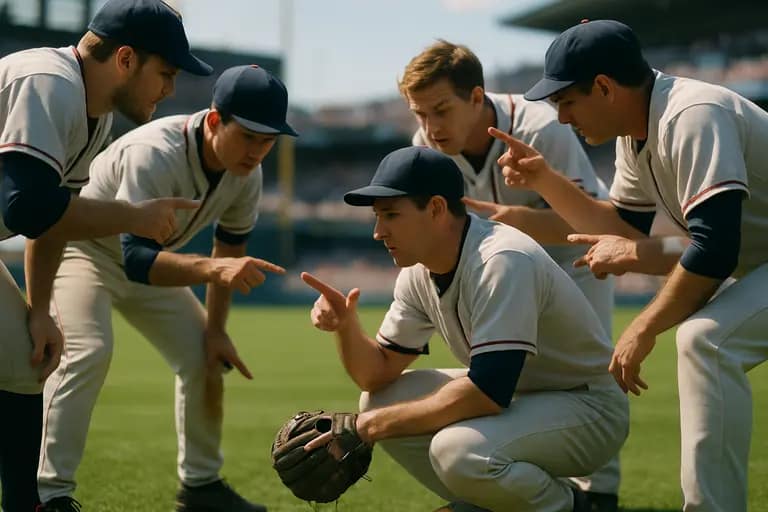
Defense on turf rewards first steps. It also punishes quiet teams. Outfielders need to call early, infielders need to align before the pitch, and catchers need to direct traffic. Turf Takeover training should give every player a communication job, not just the loudest kid on the roster.
- Infielders: Work right-left fielding rhythm, backhand angles, double-play feeds, and slow rollers.
- Outfielders: Train drop steps, turf skips, crow hops, and throws to cutoff targets.
- Catchers: Practice blocks, pop-up calls, bunt direction, and throw timing.
- Pitchers: Cover first, field comebackers, back up bases, and communicate on bunts.
Coaches looking for a wider practice structure can connect these ideas with Texas youth baseball practice plans that use stations, tempo, and game-like reps. The point is not to make practice longer. The point is to make practice look more like the problems players will face.
Recovery Between Games In Texas Conditions
September baseball in Texas can still feel heavy, and a two-day event can wear down even well-conditioned players. Recovery is a baseball skill. It affects swing decisions, first-step quickness, throwing accuracy, and body language in the dugout.
Condition For Baseball Bursts
Baseball conditioning should match baseball demands. Long-distance running may build general fitness, but the sport is built on short sprints, lateral moves, explosive throws, and quick recovery. A practical session might use home-to-first sprints, shuffle-to-sprint changes, first-to-third reads, and short rest periods. The goal is repeat effort without sloppy movement.
For youth teams, conditioning should not turn into punishment. If a player misses a cutoff, teach the cutoff. If the team loses focus, shorten the drill and raise the standard. Tired players learn bad movement if the only response is more running.
Make The Dugout Part Of The Plan
Between games, players need shade, fluids, food that sits well, and a clear report time for warmups. Coaches should set expectations before the tournament day starts. Who is responsible for bands? When do pitchers begin throwing? Which catcher is getting gear on first? Small decisions save energy.
Parents can help by keeping recovery simple. Players do not need ten different voices after every at-bat. They need calm feedback, food, water, and space to reset. The best tournament teams often look steady because their routine is steady.
What Turf Takeover Training Means For Texas Teams
The USSSA/WBT Turf Takeover in Axtell has already given coaches a useful measuring stick. Turf Takeover training is not only about preparing for one named event. It is about building habits that carry into fall tournaments, winter facility work, and the next spring season.
For Texas teams, the lesson is clear: train the surface, manage the arms, make hitting decision-based, and treat recovery as part of performance. A team that handles three games with clean defense, steady throwing plans, and focused at-bats is not lucky. It has practiced the right things at the right pace.