

UIL Pitch Count Rules are not getting a new set of limits for the 2026-2027 school year, based on the official UIL baseball manual. That matters because Texas coaches may hear “new rules” during preseason prep, but the better framing is this: the current standards remain in place, and your staff still has to execute them cleanly every game. UIL lists pitch count implementation within its baseball manual for the 2026-27 cycle UIL baseball manual.
For coaches in grades 7-12, the real work is not memorizing a chart the night before district play. It is building habits around tracking, between-inning checks, doubleheader planning, and honest communication with families. A tired arm does not care whether the schedule got squeezed by rain in Central Texas or a tournament bracket ran long near Houston. The rule still follows the pitcher.
UIL Pitch Count Rules For 2026-27
The core fact for 2026-2027 is steady: the limits and rest requirements are carried forward without modification in the materials provided. High school and junior high have separate maximums, and coaches should not blur those lines just because a seventh grader looks physically mature or a freshman throws harder than expected.
UIL Pitch Count Rules For Dugout Decisions
The official implementation language says only game pitches count; warm-up pitches do not count toward the total. Rest also means no pitching appearance in any UIL contest, and the rest days are full calendar days. UIL gives the example of a high school pitcher who throws 95 pitches on a Friday: Saturday, Sunday, Monday, and Tuesday are rest days, and the pitcher is eligible again on Wednesday UIL pitch count implementation.
That one example should shape how a coach thinks during a tight Friday game. If a pitcher is already moving toward the upper range, the decision is not only about the current inning. It may affect Tuesday district availability, tournament pool play, or the next time that athlete can take the mound. Coaches can still move a pitcher to another defensive position after removing him from pitching, regardless of pitch count. That flexibility helps preserve bats and gloves while respecting the mound restriction.
High School And Junior High Rest Windows
The 2026-27 UIL Pitch Count Rules use different bands for grades 9-12 and grades 7-8. Coaches should keep these charts printed in the scorebook, on a clipboard, and in whatever shared tracking file the staff uses after games.
| Level | Pitches | Required Rest |
|---|---|---|
| High School | 0-30 | 0 days |
| High School | 31-45 | 1 day |
| High School | 46-65 | 2 days |
| High School | 66-85 | 3 days |
| High School | 86-110 | 4 days |
| Junior High | 0-20 | 0 days |
| Junior High | 21-35 | 1 day |
| Junior High | 36-50 | 2 days |
| Junior High | 51-65 | 3 days |
| Junior High | 66-85 | 4 days |
How To Coach The Finish-The-Batter Rule
If the limit is reached during an at-bat, the pitcher may finish that batter but must be replaced immediately after that plate appearance. This is where a coach needs a bullpen plan, not a hopeful glance toward right field. If your pitcher is at 108 in a varsity game, the next hitter could push the count beyond 110 while the rule still allows the plate appearance to finish. Your replacement should already be loose enough to enter safely once the batter is retired, walks, reaches, or the inning ends.
For junior high coaches, the same coaching principle applies with a lower ceiling. Young pitchers often need simpler communication: “You have this hitter, then we are moving you.” Calm clarity beats panic after ball three.
Series, Doubleheaders, And Tournament Planning
Texas baseball schedules can get crowded fast. Rainouts, travel windows, school calendars, and tournament formats can stack games together. The UIL rule set addresses this by making the pitcher’s total pitches across appearances in a multi-game series or tournament count toward the applicable maximum. Rest is determined by the combined total at the end of the series.
For doubleheaders or back-to-back games caused by postponement, the pitch count maximum can be split between games. The second game of a doubleheader does not count as a rest day. Coaches should treat that as a planning warning. If you use a pitcher in Game 1 and bring him back in Game 2 within the allowed total, the rest clock is still based on the cumulative workload after the appearances are complete.
Rotation Planning Without Guesswork
A practical Texas staff plan starts before the bus leaves. Identify who is available, who is limited, and who is off-limits. Write it down. Share it with the scorekeeper and the pitching coach. If your team is playing multiple games in one day, do not wait until the fifth inning of Game 1 to decide whether your Game 2 starter is now a reliever.
This is also where arm-care thinking belongs. Rule compliance is the floor, not the full development plan. Coaches who want a stronger weekly system can connect the rule chart with bullpen volume, throwing days, and recovery expectations. For a related planning angle, see this piece on Texas arm-care planning.
Verification, Reporting, And Coach Communication
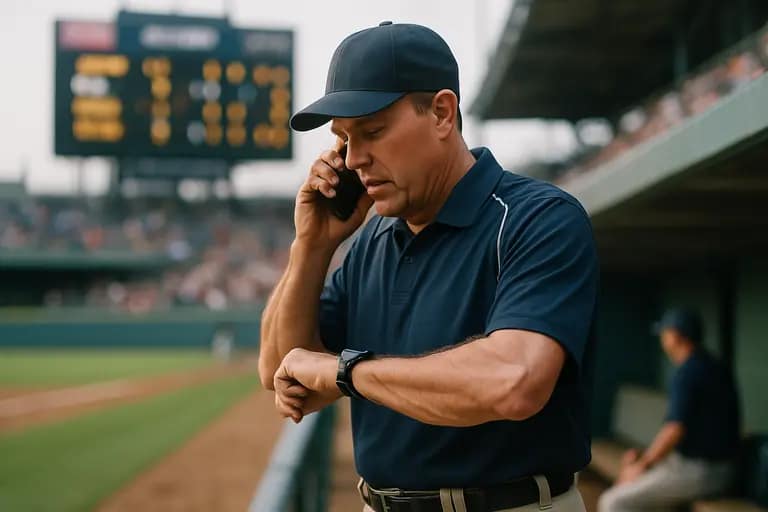
Good UIL Pitch Count Rules compliance depends on a clean paper trail. Each game must have an official pitch counter supplied by the home team. For varsity games, that official pitch counter cannot be in the dugout. Coaches or team representatives meet between innings to verify counts, which means both teams should know the number before a problem appears late.
After each contest, the home team must submit a verification form to the District Executive Committee within 48 hours, and the DEC maintains the records. In postseason play, forms must be uploaded to the UIL Baseball web page. Umpires are not responsible for monitoring pitch count decisions, so coaches cannot push that duty onto the crew.
What To Tell Parents And Assistants
Clear communication keeps pressure off the athlete. Tell parents early that a pitcher may be removed even if he is dealing, even if the inning matters, and even if the next hitter is the other team’s best bat. Tell assistant coaches who has final authority on the count. If the scorebook count and the official counter differ, handle it between innings through the process UIL describes instead of turning the dugout into a debate club.
- Assign one staff member to track your team’s pitchers pitch by pitch.
- Confirm the official count between innings, not only near the limit.
- Record cumulative totals after tournaments, series, and doubleheaders.
- Keep rest-day eligibility visible before setting the next game plan.
- Do not ask umpires to decide pitch count status.
Building A Texas Staff Plan Around Rest
The best coaching adjustment is to design the week backward from availability. If a district game falls on Friday, a Tuesday appearance may limit or remove that pitcher from Friday depending on the pitch total. If a tournament begins Thursday and runs into Saturday, early-round pitching choices can decide who is available late in the event.
For smaller Texas programs, this can be hard because the same athlete may be a top pitcher, starting shortstop, and middle-order bat. UIL allows a pitcher removed from the mound to keep playing another position, so coaches can still keep a player involved while respecting the required pitching rest. That can help a roster stay competitive without bending the rule.
Build a simple weekly board: available, limited, unavailable. Update it after every game. If a player is unavailable to pitch, say so plainly before practice begins. Players handle limits better when they hear the plan before adrenaline takes over.
Why UIL Pitch Count Rules Shape Coach Prep
The key takeaway for 2026-2027 is steady responsibility. The limits have not been loosened for postseason play, and there is no separate playoff increase in the materials provided. Coaches should prepare as if every inning in February, April, and the postseason requires the same tracking discipline.
UIL Pitch Count Rules work best when the staff treats them as part of baseball operations rather than paperwork after the fact. Count during the game, verify between innings, report on time, and plan the next appearance from the final total. That routine protects the player, protects the program, and gives Texas coaches a cleaner way to manage tight schedules without guessing from the dugout rail.