

Texas Baseball Lessons from the 2026 high school season are not just for varsity staffs with turf fields and deep bullpens. They also help youth coaches, select teams, junior high programs, and baseball families across Texas understand what carried teams through tight postseason games. The clearest themes were steady standards, calm response to delays, situational offense, pitching depth, and program leadership that lasted longer than one hot playoff week.
Texas Baseball Lessons From Keller’s Finish
Keller’s season gave coaches a clean example of how steady work can beat short bursts of momentum. Keller finished 40-4-2 and defeated Lake Travis 2-1 on June 6, 2026, at Dell Diamond in Round Rock to win the UIL Class 6A Division I state championship, the program’s first state title Yahoo Sports reported. The same report noted that longtime Keller head coach Rob Stramp retired after the 2026 season with more than 750 career wins and playoff appearances dating back to 2002.
Texas Baseball Lessons In Daily Standards
For coaches, the lesson is not that every program can copy Keller’s roster or schedule. The lesson is that daily standards stack up. A team that wants to play well in June has to treat February throwing plans, March defensive reps, April lineup roles, and May recovery habits as one connected system. Players need to know that the bunt defense period, the relay drill, and the two-strike round are not filler. They are pieces of a season that may end in a 2-1 game where one clean exchange matters.
For youth coaches, Texas Baseball Lessons from Keller’s finish should point back to consistency. A 10U or 12U team may not track the same season record or face the same UIL bracket pressure, but it can still build repeatable habits. Start practice on time. Teach cutoff rules the same way each week. Give pitchers clear recovery days. Hold hitters accountable for approach, not just exit speed or whether a ball drops in.
Program Stability Without Stagnation
Keller’s title also showed the value of patient leadership. A long-tenured coach can build shared language across classes, assistant coaches, and feeder systems. That does not mean a program should get stuck doing everything the same way. It means the staff has to know which standards do not change and which teaching methods need adjustment for each group of players.
One practical step for local coaches is to write down three non-negotiables before the next season. They might be throwing accuracy, dugout focus, and baserunning effort. Then write down two areas where the staff will keep learning. This keeps a program grounded without turning it stale. Young players can feel the difference between a coach who is guessing and a coach who is calmly repeating a clear plan.
Pressure Games Reward Small-Game Practice
The 2026 state tournament also reminded coaches that playoff baseball punishes loose details. Aledo won back-to-back 5A Division I state titles with a 3-1 victory over Lake Creek on June 5, 2026, in a game affected by weather delays and lasting five hours and 15 minutes, according to Sports Illustrated. That is a long time for teenagers to stay locked in, restart their bodies, and keep the same approach after interruptions.
Weather Delays And Reset Routines
Coaches should not wait for a delay to teach delay behavior. Build a simple reset routine before the season starts. Players should know where to sit, how to hydrate, how to stay loose, and when to stop joking and refocus. A pitcher needs a plan for re-warmup. A catcher needs a plan for legs and hands. Hitters need a way to restart timing without taking wild swings in the tunnel or beside the dugout.
This is where Texas Baseball Lessons become practical for every age group. If a tournament game pauses for weather, field work, or schedule backup, the team with a calm routine often returns cleaner. Coaches can practice this by stopping an intrasquad scrimmage for ten minutes, then restarting with runners on base. The goal is not drama. The goal is to teach players that focus can be restarted on command.
Situational Offense Beats Empty Contact
Robinson’s 4A Division II state championship win on June 5, 2026, offered another sharp teaching point. Robinson had three hits and scored three runs against Brock, while Brock had 10 hits and stranded 10 runners, according to the same Sports Illustrated state championship recap. Coaches do not need to shame a lineup after a loss like that. They do need to ask whether practice time matched the situations that decided the game.
- Runner on third, less than two outs: Reward contact that scores the runner, not just hard contact.
- Two-strike counts: Track foul balls, chase swings, and balls put in play.
- Late-inning bunts: Practice the bunt, the defense, and the next pitch after the bunt.
- Basepath decisions: Teach players when to press and when the next hitter needs a chance.
Young hitters often think a good day means two loud barrels. A mature offense understands that a ground ball to the right side, a walk after a long at-bat, or a sacrifice bunt may decide a bracket game. Coaches should name those wins during practice so players do not only chase box-score praise.
Roster Depth And Roles For Texas Coaches
Depth was another theme from the 2026 results. Tight games ask more from the full roster than comfortable wins do. The starting pitcher, the last reliever, the courtesy runner, the second catcher, and the defender who enters late all need a role that has been practiced before the biggest inning arrives.
Pitching Depth Starts Before The Bracket
Coaches should treat pitching depth as a season plan, not an emergency fix. That means more players need mound reps in controlled settings before tournament play. A player who may need to face one hitter in May should have already practiced entering with traffic on the bases. A youth pitcher who only throws when the score is lopsided may not be ready for a close bracket game.
The best approach is simple: give pitchers defined jobs. One player may be learning to start clean innings. Another may be learning to throw strikes after an error. Another may be working on holding runners. These roles reduce panic because the player has already seen a version of the moment in practice.
Utility Players Make Lineups Harder To Break
Roster depth is not only about arms. A team that has multiple players comfortable at two positions can survive injury, illness, slumps, and schedule pressure more easily. Coaches should rotate defensive practice early enough that players are not learning a position during a playoff week.
For Texas youth teams, this also protects development. A 13-year-old shortstop may grow into a corner infielder. A catcher may need outfield reps to keep his bat in the lineup while protecting his legs. A pitcher may become a first baseman on non-throwing days. As coaches set offseason plans, it can help to pair development work with rules preparation, including this practical note on UIL baseball rules for the 2026-27 cycle.
Practice Planning After The 2026 Season
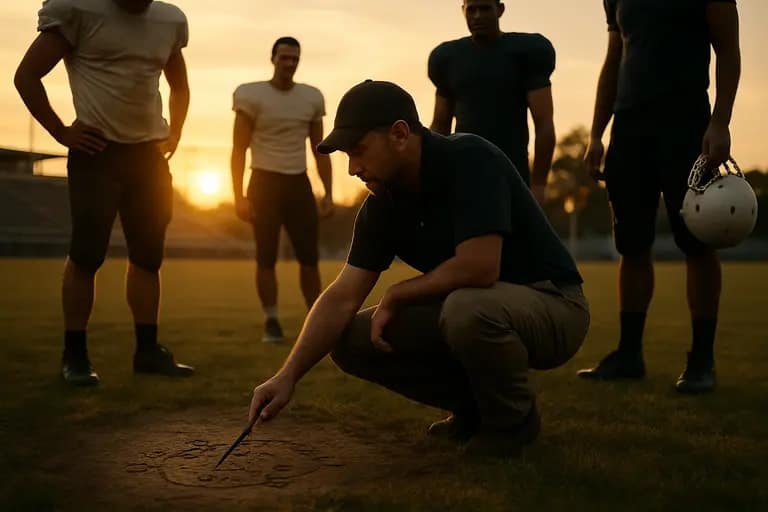
A coach can admire state champions and still miss the teaching value if practice stays the same. The 2026 season pointed toward a clear planning question: does practice prepare players for the game they say they want to win?
Make Playoff Pressure Routine
Pressure does not have to mean yelling. It can mean score, consequence, and time. Put the defense up one run with one out and a runner on second. Give the offense two chances to execute. Let the losing side clean the dugout or carry equipment. Keep it light enough for learning, but real enough that heart rates rise.
Texas Baseball Lessons from June games should push coaches to build more decision-making into workouts. Batting practice has value, but it should not be the only offensive work. Defensive reps matter, but players also need to call cuts, cover bases, and communicate after mistakes. A quiet team in practice usually becomes a quiet team in pressure.
Keep Player Recognition Team-Based
Recognition is part of baseball, especially after strong high school seasons. Coaches can use that without letting individual attention pull against team standards. Praise the player who throws strikes, but also praise the catcher who blocks the 0-2 pitch. Praise the hitter with the RBI, but also praise the runner who read the ball correctly. Praise the senior leader, but also praise the younger player who prepared like his number might be called.
This kind of recognition helps parents, too. Families often notice hits and innings pitched first. Coaches can widen the conversation by sending short notes after games: who executed a cutoff, who backed up a base, who handled a tough role well. That teaches the whole team what winning baseball looks like.
What 2026 Means For Texas Baseball Lessons
The 2026 Texas high school baseball season has already been played, and its best teaching points are now available for coaches willing to use them. Keller’s first state title showed the value of steady program building. Aledo’s delayed championship game showed the need for reset routines. Robinson’s efficient win showed that timely execution can beat a larger hit total. Across those examples, the message is clear: train the small parts before the large moment arrives.
For youth and local coaches, Texas Baseball Lessons should turn into written practice plans, clearer player roles, calmer dugouts, and more honest review after games. No coach can promise a state title. Every coach can build habits that give players a better chance to compete with poise when the score is tight and the season is on the line.