

The Eagles Prospect Camp gives Northeast Texas high school baseball players a dated, local chance to be evaluated by a college staff before the fall recruiting calendar gets too deep. As of September 15, 2026, the event has not happened yet; it is scheduled for Sunday, October 18, 2026, at Eagle Field at Bob Baker Stadium on the Northeast Texas Community College campus, according to the official NTCC camp announcement.
For Texas baseball families, that timing matters. October sits after the rush of summer tournaments and before many players settle fully into offseason lifting, bullpens, hitting groups, or school ball preparation. A one-day college showcase can help a player and family understand where the athlete stands in front of a staff that works with college players every day. It also gives younger high school players a reason to organize video, grades, baseball goals, and position work before the next travel season starts.
Eagles Prospect Camp Details And Eligibility
Who The Eagles Prospect Camp Is Built For
The event is open to high school graduates in the 2027, 2028, 2029, 2030, and 2031 classes. That makes the prospect event useful for a wide span of players, from older high school athletes starting to narrow college options to younger players trying to learn what a college evaluation setting feels like. NTCC describes the event as a showcase for prospective student-athletes interested in playing baseball at the collegiate level.
For Northeast Texas families, the Eagles Prospect Camp carries a practical advantage: it is on a college field in the region, not a far-off event that requires a full travel weekend. The verified venue is Eagle Field at Bob Baker Stadium. The research provided does not list check-in time, session blocks, equipment rules, or a full workout schedule, so families should rely on NTCC’s registration materials for those operational details rather than assume the format will match another showcase.
Fees By Player Role
NTCC lists different registration fees by role: pitchers are $50, position players are $75, and two-way players are $100. That price structure is useful for families comparing the value of a local college-run evaluation with broader tournament or showcase costs. It also means players should be honest about what they plan to do that day. A two-way player is paying to be evaluated in both pitching and field-position work, while a pitcher-only player is paying for a narrower role.
Advance registration is required through NTCC’s online registration page. That requirement matters because same-day assumptions can create problems for families driving in from smaller towns across Northeast Texas. If a player is serious about being evaluated, the registration step should be handled before the final week so there is time to confirm the role, fee, and any materials the college asks participants to bring.
What The Showcase Format Means For Players
Evaluation In Front Of A College Staff
The Eagles Prospect Camp is run by the NTCC Eagles Baseball program and is designed to let prospective student-athletes display skills in front of the NTCC baseball coaching staff. The official event description also says participants can receive detailed evaluations, meet coaches, and tour facilities. Those pieces are different from a standard tournament weekend, where a player may get at-bats or innings but not necessarily direct feedback from a college staff.
For a Texas player, the evaluation setting should be treated like a baseball workday. That does not mean trying to be someone else for one afternoon. It means showing the tools that already exist: strike-throwing, defensive actions, arm strength, bat-to-ball ability, speed, body control, coachability, and baseball awareness. A player who knows his role can get more from the event than one who treats every rep like a highlight chase.
This is also where the local youth pipeline comes into view. Families who have come through select ball, school ball, small-town leagues, and regional tournaments already understand that development is not one event. It is a chain of coaching, reps, recovery, travel, and honest feedback. For more on how local support systems help young players grow, Texas families can read about how youth baseball organizations build future players.
How Families Can Prepare Without Guessing
Because the source material does not provide a minute-by-minute schedule, families should avoid building plans around unverified assumptions. The known facts are enough to start: date, venue, eligible classes, fees, advance registration, and the evaluation purpose. Parents can help by making sure the athlete knows what role he registered for, has transportation set, and understands that a college camp is a learning setting as much as a recruiting setting.
- Confirm registration early: NTCC requires advance registration, so do not plan around walk-up participation unless the school states otherwise.
- Match the fee to the role: Pitcher, position player, and two-way player fees are different, so choose the category that reflects the athlete’s actual plan.
- Prepare for evaluation: Players should arrive ready to listen, compete, and handle coaching feedback in a college setting.
- Use the venue fact wisely: The camp is at Eagle Field at Bob Baker Stadium on NTCC’s campus, so families should plan travel around that location.
Why Northeast Texas Timing Matters
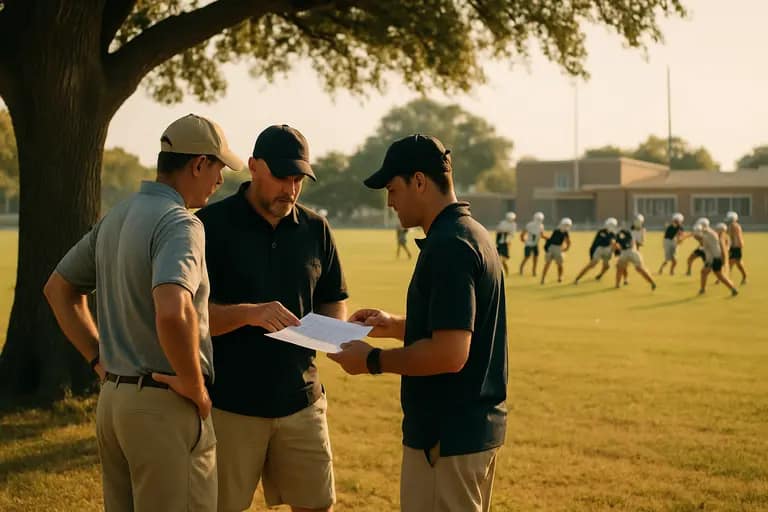
October Fits The Development Calendar
The October 18, 2026 date lands after NTCC’s earlier youth skills event, a Kids Camp for ages 5-12 that was held August 29-30, 2026, at the same venue. That sequence shows two different levels of baseball development tied to the NTCC field: younger players learning skills in late August and older high school players entering a college showcase setting in mid-October.
For high school players in the 2027 through 2031 graduating classes, the timing can serve different needs. A 2027 graduate may be focused on finding a college fit and proving current readiness. A 2031 graduate is still early in the process and may benefit most from learning how college coaches evaluate movement, effort, and baseball habits. The same event can carry different value depending on the athlete’s age and stage.
Regional Access For Baseball Families
Northeast Texas players often balance school schedules, family work schedules, travel ball commitments, and long drives for exposure events. A college-run camp in the region can reduce some of that strain. It does not guarantee a roster spot, scholarship, or future offer, and the research provided does not claim any such outcome. What it does provide is a verified chance for eligible players to work in front of the NTCC staff and receive evaluation in a college baseball environment.
That distinction is worth keeping clear. A prospect event is not the same thing as a tournament, a private lesson, or a recruiting promise. It is a structured opportunity hosted by a college program. The value comes from how seriously a player prepares, how well he responds to instruction, and how families use the feedback afterward.
Why Eagles Prospect Camp Matters For Texas Players
The Eagles Prospect Camp matters because it places a verified college baseball opportunity on the Northeast Texas calendar with clear eligibility, stated fees, and a specific venue. For families trying to make smart choices in a crowded baseball year, those basics are useful. Players know the date is October 18, 2026. They know the site is Eagle Field at Bob Baker Stadium. They know which graduating classes can register. They know the event is for prospects interested in college baseball.
The next step is simple but not casual: register through NTCC, prepare for the role selected, and treat the day as an evaluation of both baseball tools and player habits. Coaches notice how players warm up, listen, compete, and respond after a missed pitch or a rough rep. For Northeast Texas athletes, the Eagles Prospect Camp is not just another date on a calendar. It is a local checkpoint in the longer work of becoming ready for college baseball.