

The Labor Day Lounger is scheduled for September 12–13, 2026, in McAllen, giving Texas baseball and softball families a fall tournament stop in the Rio Grande Valley. C&C Sports lists the event on its 2026 tournament schedule with baseball divisions from 6U through 14U plus High School, and softball fastpitch divisions from 6U through 14U plus High School C&C Sports schedule. For families, coaches, and team admins, the main job before first pitch is not guessing who will win a bracket. It is getting the travel, field-day routine, roster timing, and parent communication lined up early enough to reduce stress.
McAllen is not a neutral dot on the map for South Texas baseball. It is a regional hub with youth sports facilities, hotel access, restaurants, and weekend tournament traffic that can shape a team’s full experience. Visit McAllen lists sports assets that include McAllen Youth Sports Park, Municipal Girls Softball Complex, and McAllen Youth Baseball Park, with facilities built for youth competition and event use Visit McAllen sports facilities. That matters for teams driving from the Valley, Corpus Christi, Laredo, San Antonio, Houston, or other parts of Texas, because a two-day tournament can become a long weekend of early arrivals, late pool games, bracket waits, and quick turnarounds.
Labor Day Lounger Logistics Start With The Schedule
Planning starts with the known dates: September 12–13, 2026. Those dates are the anchor for hotel blocks, roster availability, player rest, and parent work schedules. Since the published research does not include game times, field assignments, gate policies, or bracket format, teams should treat those items as pending until the organizer releases direct tournament communication. That is not a reason to wait. It is a reason to build a flexible plan that can handle an early Saturday report time or a late Sunday bracket finish.
Labor Day Lounger Division Map
The division spread is wide, which affects field usage and family flow. Baseball covers 6U through 14U plus High School, while softball fastpitch covers 6U, 8U, 10U, 12U, 14U, and High School. Younger divisions often bring larger family groups, more equipment bags, more snack planning, and a bigger need for shaded rest between games. Older divisions may put more pressure on warm-up space, pitching plans, catcher availability, and recovery between starts.
For coaches, that means the first planning meeting should separate what is confirmed from what is not confirmed. Confirmed: the host, dates, city, and division range. Not yet supported by the provided research: exact venues by age group, pool-play format, championship format, admission costs, parking details, and weather-delay policy. Clear language with parents helps. Say what the team knows, say what it is waiting on, and set a timeline for the next update.
Roster Timing And Player Availability
Because the event is set after Labor Day weekend but still early in the fall calendar, teams may be dealing with school routines, football conflicts, fall workouts, and family schedules. Team admins should collect player availability before hotel deadlines. Coaches should also map pitching and catching depth by day rather than waiting for the bracket draw. If a team has only two primary catchers or a small pitching group, that needs to be part of the roster conversation before the first game.
The Labor Day Lounger also matters for mixed-age programs that send more than one team. If a club has a 10U group and a 12U group playing in McAllen on the same weekend, families may need separate hotel plans, split coaching coverage, and backup transportation. A shared spreadsheet is not glamorous baseball work, but it can save a coach from discovering on Friday night that the extra catcher is arriving after the first pool game.
McAllen Venue Planning For Baseball Families
McAllen’s youth sports footprint gives the tournament a useful base, but families should not assume all divisions will be at one park unless the organizer says so. The research points to regional youth sports facilities in McAllen, including baseball and softball complexes. Until the field grid is posted, teams should plan for movement across town and avoid tight meal reservations or parent handoffs between games.
Field-Day Setup And Dugout Needs
South Texas heat can still be a factor in mid-September. Families should pack as if the day will include sun, waiting time, and multiple trips between car and field. Coaches can help by assigning parent roles before arrival: one person tracks player drinks, one handles lineup-card copies if needed, one monitors team messages, and one keeps younger siblings away from warm-up areas. That kind of structure keeps the dugout from turning into a lost-and-found pile by the second inning.
For teams with younger players, equipment checks should happen before travel. Helmets, catcher’s gear, extra socks, belts, turf shoes or molded cleats, and backup gloves are all easier to fix at home than at a field gate. For high school divisions, coaches should be sharper about pregame timing. Older players may need more space for throwing progressions and defensive work, so arriving just before start time is rarely enough.
Parking, Arrival Windows, And Parent Communication
Parking details are not included in the supplied research, so families should wait for official tournament or venue direction before assuming which lot to use. The practical move is to build a 30- to 45-minute cushion into the team arrival time once field assignments are known. That buffer helps with parking, gate entry, restroom stops, and getting players dressed without rushing.
Team communication should be short and repeatable. A Friday message can include uniform colors, arrival time, field name if known, hydration reminder, and a note that schedule changes should come from the coach or team admin. Parents do not need five separate text threads. They need one trusted channel that is updated fast when weather, field changes, or bracket timing shifts.
Travel And Lodging Choices In McAllen
A two-day tournament in McAllen can affect more than the roster. It affects family budgets, hotel demand, meal timing, and player rest. C&C Sports tournaments have been tied to room-night and visitor impact in McAllen in past reporting supplied in the research, so teams should not treat lodging as a last-minute detail. If several age divisions are in town at once, nearby hotels can fill quickly or price differently by location and amenities.
Families should choose lodging based on the likely rhythm of tournament play. A hotel with breakfast may help younger teams with early games. A hotel with laundry can matter for older teams playing in white pants on back-to-back days. Proximity to the likely venue matters, but so does access to food, ice, and a quiet night of sleep. The best hotel for one family may not be the best team hotel if it creates long drives for everyone else.
- Confirm the tournament dates and player availability before collecting hotel commitments.
- Wait for official field assignments before promising families a specific drive time.
- Build a meal plan around game windows, not restaurant preference.
- Assign one parent or staff member to monitor team messages during games.
- Pack for heat, delays, and quick uniform changes.
For out-of-town teams, Friday arrival may reduce pressure if the first game lands early on Saturday, September 12, 2026. For Valley teams, a drive-in plan can work, but only if players still arrive rested. A 6U or 8U player waking up before sunrise for a long drive may not handle a doubleheader well. Coaches should think about age level, not just mileage.
Coach Checklist For Tournament Operations
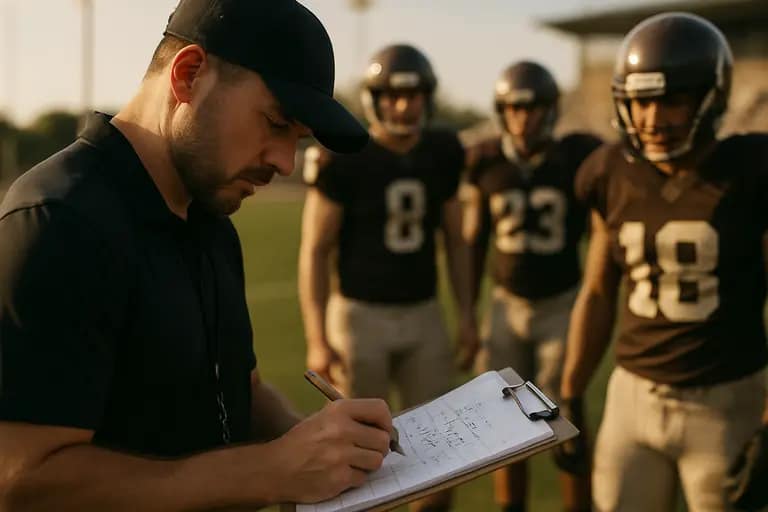
The coach’s tournament work begins before the lineup card. Roster documents, emergency contacts, uniform plans, pitch management, and parent duties all need attention. The research does not provide tournament-specific roster paperwork rules, so teams should follow direct C&C Sports instructions once issued. Until then, the safest approach is to keep player names, birthdate documents if required by the organizer, contact numbers, and medical notes organized in one secure team file.
Baseball And Softball Staff Assignments
Staffing is not only for paid events. Youth teams need their own small staff plan. One coach should control warm-ups. One should manage pitchers or defensive rotations. One should handle dugout pace. One team admin should handle messages and schedule updates. If everyone is “helping,” no one owns the details. The result can be missed warm-up time, late players, and confusion after a schedule change.
Softball teams should be just as clear. Fastpitch weekends can move quickly, especially when pool games and bracket games stack together. Catchers need recovery time. Pitchers need a clear throwing plan. Younger players need reminders about snacks, sunscreen, and staying with the team between games. None of that is complicated, but it falls apart when adults assume someone else handled it.
Game-Day Pace And Player Rest
On September 12–13, 2026, the biggest competitive edge may be simple organization. Teams that eat at the right time, hydrate before they feel thirsty, warm up without rushing, and keep players out of the sun between games usually handle long tournament days better. That is especially true in McAllen, where the weather can still feel like summer to families traveling from farther north in Texas.
The Labor Day Lounger should be treated as a full-weekend operation, not just a set of games. Coaches can set expectations with players early: be on time, bring both uniform options if asked, stay near the dugout, and tell an adult right away if something feels wrong physically. Parent expectations matter too. If families know where to be, when to arrive, and how updates will be sent, the team can keep its focus on baseball and softball.
What Labor Day Lounger Means For McAllen Planning
For Texas youth baseball families, Labor Day Lounger planning is about matching tournament ambition with practical road work. McAllen has the sports infrastructure to host youth events, and C&C Sports has listed a broad set of age divisions for the September 12–13, 2026 tournament. The missing pieces, such as field assignments and game times, should come through official tournament communication, not parent rumor chains.
The best teams will prepare without pretending every detail is known. They will book lodging with flexibility, build parent communication around confirmed facts, pack for South Texas conditions, and give players a calm routine before game one. That approach does not guarantee a trophy. It does give coaches, parents, and players a better chance to handle the weekend like a team before the first pitch is thrown.