

The Cancer’s Matter Tournament is a topic worth handling with care for Texas youth baseball families, because the available research does not verify a date, city, organizer, venue, baseball bracket, or fundraising total for an event under the full name All Cancer’s Matter Tournament. That does not mean the event did not happen. It means any local league, sponsor, coach, or parent group talking about its impact should separate confirmed details from good community ideas. In youth baseball, trust is built the same way a team builds an inning: one clear step at a time.
Why Cancer’s Matter Tournament Facts Need Care
Community benefit tournaments often move through local networks before they show up in formal coverage. A coach may hear about a charity event from another coach. A sponsor may see a flyer at a batting cage. A family may learn about it through a team text thread. Those channels can help people rally quickly, but they can also leave gaps in the public record. For this topic, no verified public source in the research confirmed the event details for the All Cancer’s Matter Tournament.
Cancer’s Matter Tournament Verification Comes First
Before a Texas league promotes, models, or partners with the Cancer’s Matter Tournament, the practical first step is verification. The basic checklist should include the organizer’s legal or nonprofit name, the receiving charity, the event date, the venue, the tournament format, the age divisions if baseball teams were involved, and how funds were collected and distributed. None of those details should be guessed. Families dealing with cancer deserve care, not loose claims.
For youth baseball leaders, this is not red tape for the sake of paperwork. It protects the cause, the league, the volunteers, and the families who may be asked to give time or money. If a tournament is tied to cancer support, parents will want to know whether donations support direct patient care, family expenses, medical research, travel needs, or another stated purpose. A clear answer helps local sponsors say yes with confidence.
What Comparable Fundraisers Show
Comparable cancer-related tournaments show why organized community events can matter. The American Cancer Society and Everforth Apex reported that the Gamers vs. Cancer Tournament Series had hosted 17 tournaments since 2020 and raised $21,360, with an ARC Raiders Trios Tournament listed for May 1, 2026 Gamers vs. Cancer series. That is not a baseball event, but it gives Texas leagues a useful example of how repeat events can turn a shared activity into steady support.
Another comparison came from Charlotte, where the All-In to Fight Cancer Poker Tournament in 2026 brought together more than 600 attendees, used 52 poker tables, and raised more than $275,000 for cancer patients and families through groups including Go Jen Go and Levine Cancer Institute All-In to Fight Cancer event. Again, that is not youth baseball, and it is not in Texas. Still, it shows that strong planning, a clear cause, and sponsor participation can give a charity tournament real community reach.
How Texas Baseball Families Build Support
Texas youth baseball already has the bones of a strong support network: team parents, coaches, local businesses, umpires, field crews, high school players, travel-ball families, and grandparents who know how to fill a folding chair row by the first pitch. A cancer-benefit tournament can bring those groups together, but the baseball side has to be organized well enough that the cause stays front and center.
Sponsors Fit Best When Roles Are Clear
Local sponsors are often willing to help when they know exactly what is being asked of them. A restaurant might donate postgame meals. A sporting goods store might provide baseballs. A small business might sponsor a field, scoreboard announcement, or team entry. A medical office might provide first-aid supplies or hydration support. None of those ideas require claiming a verified outcome for the Cancer’s Matter Tournament. They are practical examples Texas leagues can use if they build a cancer-support event of their own.
The best sponsor conversations are specific. Instead of asking a business to help in a broad way, a tournament committee can ask for one defined need: water coolers, umpire fees, field prep materials, raffle items, or a family support fund contribution. That makes the ask easier to understand and the thank-you easier to deliver.
Volunteers Turn A Tournament Into Care
Volunteers are the bridge between a schedule and a true community event. A baseball tournament needs scorekeepers, gate helpers, parking direction, concession crews, field maintenance, team check-in, cleanup, and people who can answer parent questions without sending everyone to the tournament director. If the event is connected to cancer support, volunteers may also help with remembrance tables, survivor recognition, donation records, and quiet spaces for families who need a break from the noise.
That type of care matters in Texas baseball because many tournaments are family weekends. People arrive with siblings, coolers, chairs, sunscreen, and sometimes heavy personal stories. A well-run charity event should feel welcoming, not rushed. It should make room for competition while remembering why people gathered.
Practical Partnership Ideas For Local Leagues
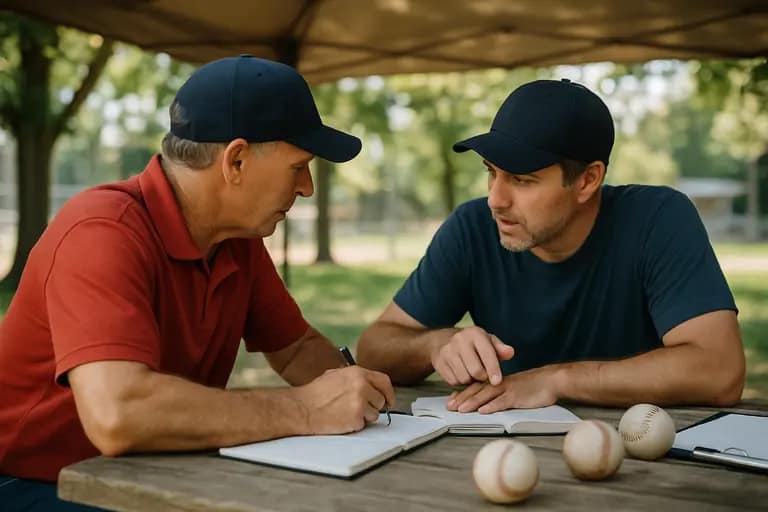
A Texas baseball league that wants to learn from the Cancer’s Matter Tournament topic should start with structure. Keep the bracket simple, keep communication plain, and keep the charitable purpose visible without turning every inning into a ceremony. Good baseball operations give the cause more room to breathe.
Keep The Event Sports-First
Families still need to know game times, field numbers, parking instructions, uniform expectations, rain policies, and whether pool play leads to bracket play. Coaches need pitching rules and roster rules in writing. Umpires need assignments. Concession volunteers need shift times. Clear baseball planning reduces confusion, which helps the community part of the day feel sincere rather than strained.
There is also a local economic piece. Tournament weekends can support nearby restaurants, convenience stores, hotels, screen printers, and batting facilities. That is one reason community-minded baseball events can matter beyond the final score. A related Texas Magic Baseball piece on how Texas baseball tournaments build community explains how local events can connect volunteers, businesses, and young players.
Make The Cause Easy To Understand
The cause should be stated in one clean paragraph on registration pages, flyers, coach emails, and sponsor forms. Who benefits? How are funds handled? Are donations tax-deductible through a partner nonprofit? Will the tournament publish a post-event recap with receipts or beneficiary confirmation? If those answers are not ready, the event may need more planning before public promotion.
For cancer-related events, language should be respectful. Avoid slogans that flatten different diagnoses or family experiences. Some families may be grieving. Some may be in treatment. Some may be celebrating remission. A youth baseball event can honor all of that by keeping the tone warm, direct, and grounded.
- For coaches: protect the game schedule and keep team communication steady.
- For parents: ask how donations are used and where help is needed most.
- For sponsors: request a defined sponsorship level, benefit, and contact person.
- For league boards: confirm insurance, field use, charity partner details, and post-event reporting.
What Cancer’s Matter Tournament Can Mean Locally
The clearest takeaway is that the Cancer’s Matter Tournament should not be treated as a verified case study until more details are confirmed. No public research provided a supported date, location, baseball connection, organizer, or amount raised. For a Texas youth baseball audience, that uncertainty matters. Leagues should not repeat numbers they cannot source, and sponsors should not be asked to support a story that has not been checked.
Still, the idea behind the tournament can point local baseball people in a good direction. A well-run cancer-benefit baseball event can give young athletes a wider view of service. It can teach players that community is not limited to the dugout. It can give sponsors a local way to help. It can give families facing cancer a visible sign that neighbors are willing to stand with them.
If more verified information becomes available, the story can shift from a cautious community discussion to a true event recap. Until then, Texas leagues can take the responsible path: verify first, plan clearly, protect families, and let baseball be the meeting place for real support.