

Texas youth coaches can learn plenty from championship teams, but the value is not in copying uniforms, chants, or weekend hype. The real work is in habits. These Wildcatters Baseball lessons point coaches toward player development, role clarity, calm tournament routines, and a team culture that holds up when the bracket gets tight.
The verified headline is strong: on July 17, 2026, Wildcatters 12U and 9U won PGI National Championship titles and earned No. 1 national rankings in their age groups, according to the Wildcatters championship announcement. That same announcement recognized Hardin Sullivan as 12U MV-Pitcher and Brantley Nelson as 9U MV-Player. Those facts matter, but coaches should not stop at the trophy photo. The better question is: what can a Texas coach do Monday through Thursday that gives players a better chance on Saturday and Sunday?
What Wildcatters Baseball Lessons Show Coaches
The Verified Championship Marker
A national title is not a practice plan by itself. It is evidence that a group of players, coaches, and families handled a long competitive test. For youth teams, especially in Texas tournament baseball, that means more than swing speed and radar readings. It means players can reset after a strikeout, pitchers can trust the defense, catchers can manage tempo, and coaches can communicate without adding panic.
The first coaching takeaway is to separate results from repeatable behaviors. A team can win one weekend because two players got hot. A stronger program asks whether the same players are learning to prepare, compete, recover, and support the next man up. That is where Wildcatters Baseball lessons become useful for local coaches. They are not a magic formula. They are a reminder to build the parts of a team that travel well: defense, strike-zone discipline, baserunning awareness, pitching plans, and dugout maturity.
Turning Wildcatters Baseball Lessons Into Local Habits
For a Texas coach, the practical step is to turn admiration into a weekly system. If your 10U or 12U team wants to grow, the question is not, “How do we look like a champion?” The question is, “What do our players do every week that a championship team would also do?” That might mean ten minutes of first-and-third defense every practice, controlled pressure rounds in batting practice, or a short player-led recap after games.
You do not need a national travel budget to coach with championship standards. You need consistent expectations. Players should know how to warm up, where to be between innings, what counts as a quality at-bat, and how to respond when an umpire call goes against them. In youth baseball, emotional control is a skill. Coaches who teach it before the tournament are not scrambling to demand it during the semifinal.
Build Practices Around Development Not Noise
Teach Skills In Game-Sized Pieces
Player development gets thrown around a lot, but it becomes real only when practice time matches game needs. If a team struggles with throwing errors, the answer is not another long speech. It is better footwork, better target habits, and throws made under light pressure. If hitters chase high fastballs, build rounds that reward zone control instead of only loud contact. If pitchers rush after walks, practice mound resets with a catcher, coach, or teammate giving a simple cue.
This is where coaches can apply Wildcatters Baseball lessons without pretending every roster is the same. A coach in Houston, San Antonio, DFW, West Texas, or the Valley may have different field access, budget, and tournament schedules. Still, the building blocks stay steady. Shorter stations with clear goals usually beat long, loose practices. A 12-player roster standing in line is not developing. A roster rotating through defense, hitting decisions, arm care, and baserunning reads has a better chance to grow.
Use Accountability Without Embarrassment
Strong teams are accountable, but youth coaches have to be careful with how they deliver it. Accountability is not yelling louder after a mistake. It is teaching players what the standard is, letting them try again, and making the correction clear. A player who misses a cutoff should know the next rep is coming. A pitcher who forgets to cover first should get the footwork corrected before the habit sticks.
Coaches can use a simple review after each game: what did we control, what did we miss, and what will show up in the next practice? Keep it short. Kids do not need a courtroom after every loss. They need a coach who can connect the game to the next training block.
- Define one team standard each week: examples include sprinting on and off the field, backing up bases, or quality communication.
- Track development moments: note improved pitch selection, better two-strike swings, or cleaner relay work, not only wins.
- Give players roles: let captains lead warmups, catchers run pitcher meetings, or infielders call out bunt coverage.
- Keep parents informed: explain the weekly focus so families understand progress beyond the scoreboard.
Coach The Dugout Before The Bracket
Roster Depth Starts With Trust
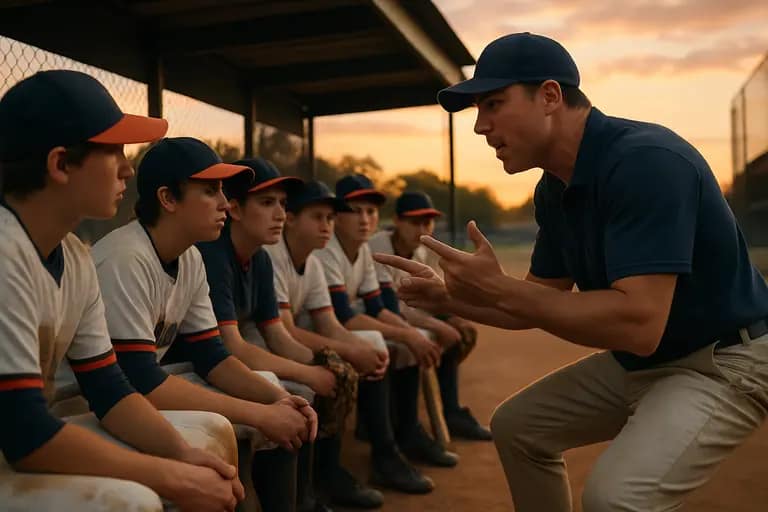
Championship weekends test the full roster. In Texas summer baseball, heat, long waits, and back-to-back games can expose teams that depend on only a few players. A coach should develop trust before the bracket gets hard. That means giving bench players meaningful practice reps, preparing multiple pitchers, and helping every player understand a role that may change by game.
The verified Wildcatters results included recognition for individual performances, but team building should never turn into a two-player story. Youth coaches can praise standout play while still teaching the whole roster that every runner advanced, every clean inning, and every backup throw matters. That balance keeps the dugout connected. It also prevents young players from thinking their value disappears when they are not the star of the day.
Make Tournament Communication Simple
Tournament weekends can make good coaches talk too much. Players already face noise from scoreboards, parents, opponents, heat, and fatigue. Coaches should cut instructions down to cues the team already knows. “Win the next pitch” works only if players have practiced what that means. “Throw strikes” is not a plan unless the pitcher has a breathing routine, target focus, and a catcher who can settle the pace.
One of the best Wildcatters Baseball lessons for local teams is to prepare communication before pressure arrives. Use the same signs, same mound-visit language, and same defensive reminders in practice that you plan to use in games. When the tournament gets tight, familiar words help young athletes play instead of freeze.
Why Championship Habits Matter For Texas Teams
Texas baseball families know the calendar can be demanding. Weekend tournaments, school schedules, private lessons, field availability, and weather all compete for attention. A coach cannot control every piece. What a coach can control is the environment around the players. That environment should reward effort, preparation, coachability, and team-first decisions.
The lasting value of Wildcatters Baseball lessons is not that every team will win a national title. Most teams will not, and that is not the only measure of good coaching. The value is in the pattern: develop players, teach roles, prepare for pressure, and keep standards steady. If a team loses but plays cleaner defense, throws more competitive pitches, and supports each other better than it did a month ago, the coach is building something real.
For Texas youth coaches, the next step is simple. Pick one lesson and make it visible at your next practice. Run a sharper defensive station. Give catchers more leadership. Teach hitters what counts as a quality at-bat. Ask players to explain the team standard in their own words. Over time, those small choices shape a team that can handle stronger competition. That is the kind of championship habit worth bringing back to every local field.